

-
Pick up from the Woodmart Store
To pick up today
Free
-
Courier delivery
Our courier will deliver to the specified address
2-3 Days
Free
-
DHL Courier delivery
DHL courier will deliver to the specified address
2-3 Days
Free
Hurry and get discounts on all Apple devices up to 20%
Sale_coupon_15
£12.0
Out of stock
Out of stock
To pick up today
Free
Our courier will deliver to the specified address
2-3 Days
Free
DHL courier will deliver to the specified address
2-3 Days
Free
Payment Methods:
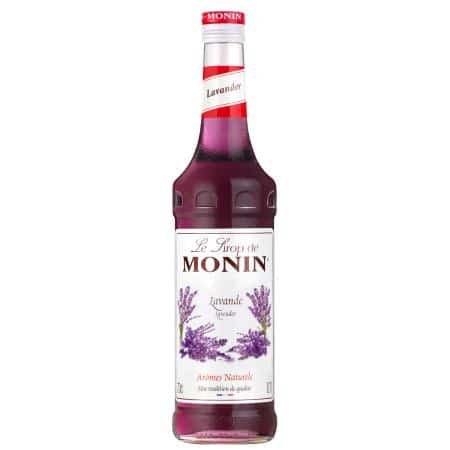
Lavender isn’t just a soothing scent found in fragrances. This plant also delivers when it comes to flavour. Along with an undertone of sweetness, lavender packs in a floral herbal essence which gives it a distinct and delicious taste. These aspects also make the herb a versatile vehicle for reaching culinary utopia, as it can be utilised in both sweet and savoury dishes. It is also a natural flavour for drinks, and this is where Monin Lavender Syrup shines brightest. From boozy cocktails to refreshing smoothies, this syrup provides the perfect floral finish to beverages.
Believed to originate from the Middle East, Mediterranean and India, lavender has reportedly been around some 2,500 years. Due to its floral, sweet and crisp nature, lavender has been used in multiple ways throughout its storied history. Its name is derived from the Latin word lavare, which means to wash a clear clue as to how the plant was used by the ancient Romans. They would scent everything their beds, baths, clothes and hair with lavender due to its pleasing scent.
The Romans were also aware of lavenders perceived health benefits. Its fragrance wasn’t the only reason it was used during bathing rituals, for example. Lavender was also placed in baths for its relaxation and antiseptic qualities. The plant would also be digested to help alleviate headaches, sore throats and indigestion. Going forward to 16th century England, lavender, as described by herbalist John Parkinson, was a great solution for pains of the head and brain. In addition, Frances Charles VI was adamant the key to a good nights sleep related to having lavender within his pillow. Considering this is a practice still employed today, its fair to say he had a point.
With regards to lavenders culinary influence, the expression slow burner should come to mind. It is understood Queen Elizabeth enjoyed a lavender jam, and the plant was also used in tea drinks for both taste and medicinal benefits. While this began around the 17th century, it took until the 1970s for lavender to become a known ingredient in recipes. This happened when a blend known as herbes de Provence, which contained lavender, was crafted by spice wholesalers. Since then, lavender can be found in meals and beverages across the world.
In stock
No account yet?
Create an AccountYou cannot copy content of this page
GBP |
GBP |
£ |
USD |
USD |
$ |
|
GBP
|
USD
|